Meet Dr. Upal Roy’s HIV Research Team at UTRGV Biomedical Research Labs

About Our Team

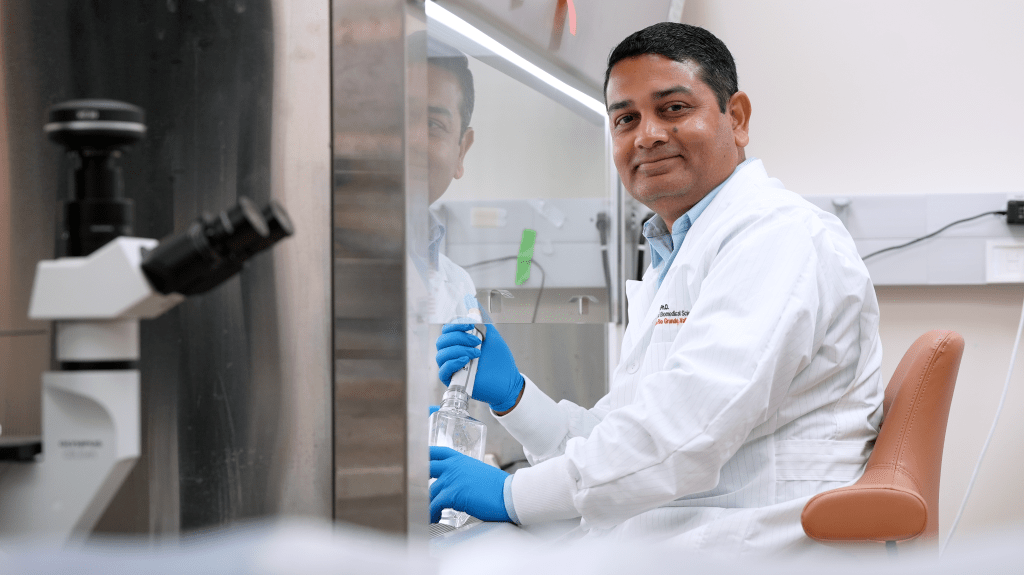
Dr. Roy

Experienced Scientist in infectious disease drug development, skilled in molecule delivery, collaboration management, and mentoring.
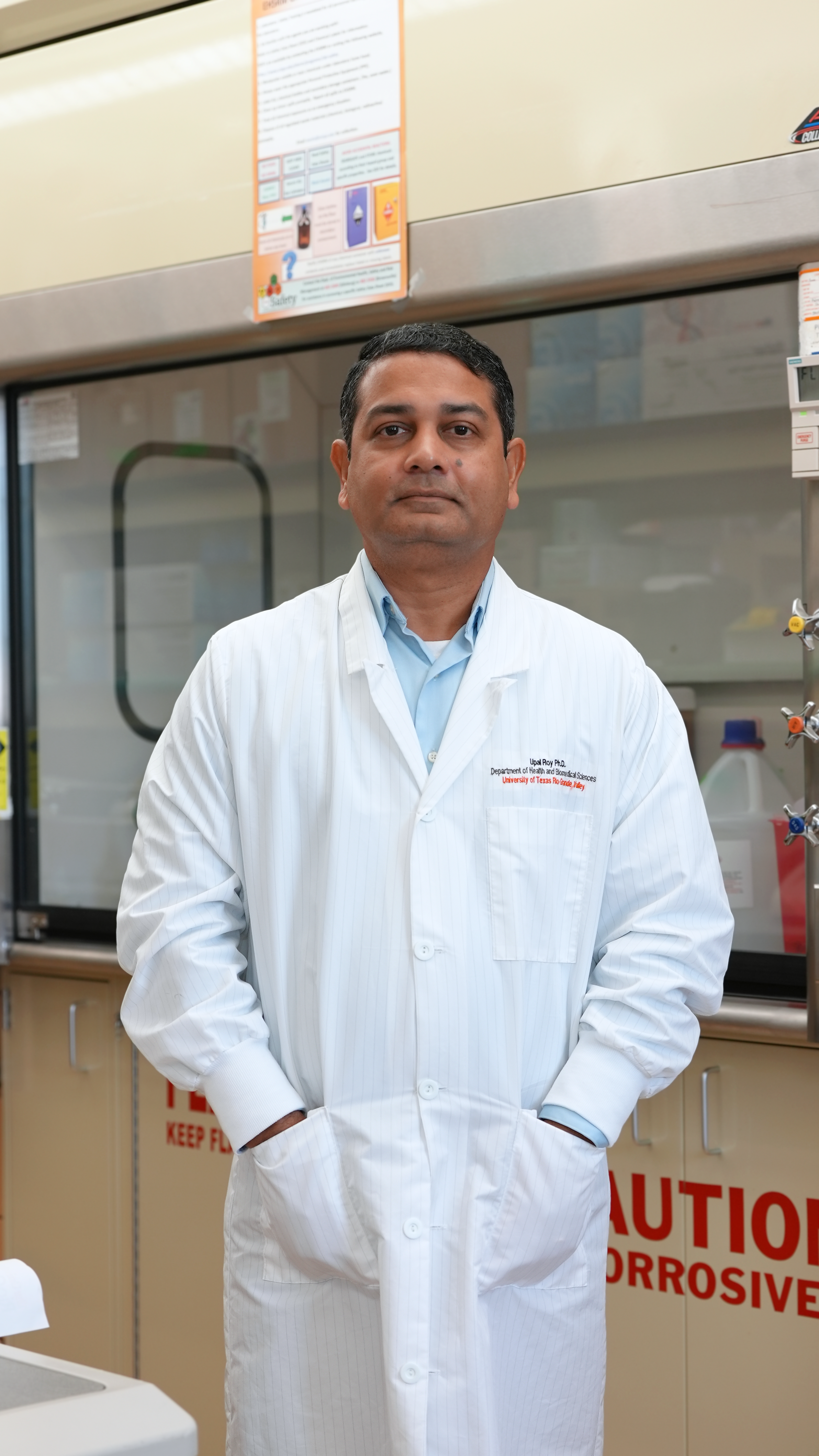
UTRGV Biomedical Research Labs (BBRHB) are filled with highly trained personnel that partake in research in neuroscience, cell and molecular biology, therapeutics, and nanomedicine.

Under Dr. Upal Roy, there is a small team of researchers that contribute in the research of HIV and how it can be confronted with nanomedicine or therapeutics

Utilizing unique humanized mouse models and targeted drug delivery platforms, they lead multidisciplinary collaborations towards developing next-generation therapies for individuals living with HIV and neurological disorders.


Ebenezer Owusu

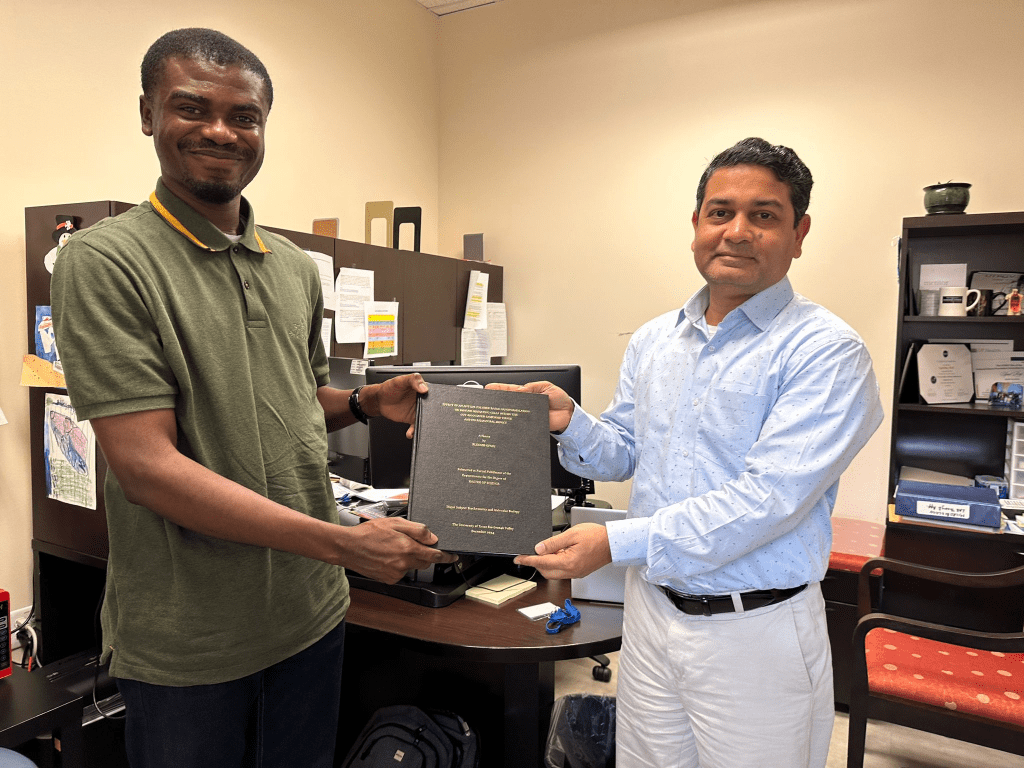
Ebenezer Owusu, or Eben for short, accompanied Dr. Roy’s lab a couple of years ago and just recently graduated with a Masters in Biochemistry and Molecular Biology. This success in the lab allowed him to fabricate his own diamond Nano-tech research on how it can be used to sustain cells

Ranjit Kumar Das

Ranjit joined Dr. Roy’s lab to pursue a Masters in Biochemistry and Molecular Biology. He graduated this year with his own personal thesis on how Alzheimer’s disease pathology can be affected with HIV.

Md. Shafayat Jamil

Welcome to a world of limitless possibilities, where the journey is as exhilarating as the destination, and where every moment is an opportunity to make your mark on the canvas of existence. The only limit is the extent of your imagination.

Sofia Lerma

Welcome to a world of limitless possibilities, where the journey is as exhilarating as the destination, and where every moment is an opportunity to make your mark on the canvas of existence. The only limit is the extent of your imagination.

Daphne Alcala Zuniga

Daphne, a former student of Dr. Upal Roy, earned her Master’s degree in Biochemistry and Molecular Biology in 2023. Her thesis focused on the shortening of telomeres induced by bacterial lipopolysaccharides in HIV-1 exposed human oral keratinocytes.

Arkajyoti Paul

Arkajyoti, a former student of Dr. Upal Roy, earned his Master’s degree in Biochemistry and Molecular Biology in 2023. His thesis focused on the biological optimization of polymer-based antiretroviral drugs targeting the gut-associated lymphoid tissue (GALT)

Caroline Rose Garcia

Caroline, a former student of Dr. Upal Roy, earned her Master’s degree in Biochemistry and Molecular Biology in 2021. Her thesis focused on the development of a tenofovir-loaded nanodisc and liposome-based delivery system for HIV-1 treatment targeting the brain.

Angel Rodriguez

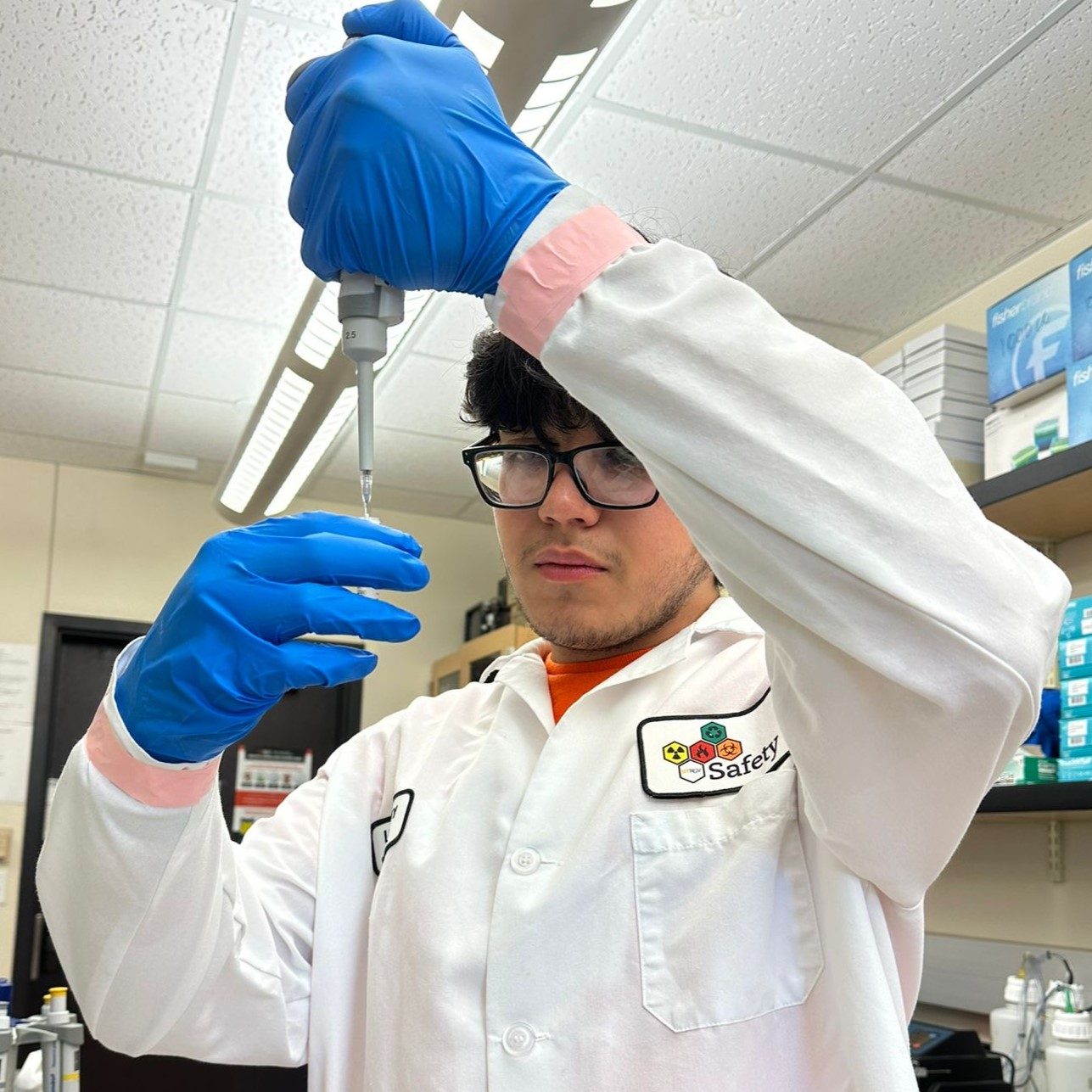
Angel, a undergraduate here at Dr. Roy’s lab currently researching how Inflammasome signaling, and Neuroinflammation are affected by spaceflight.

Lizbeth Caballero

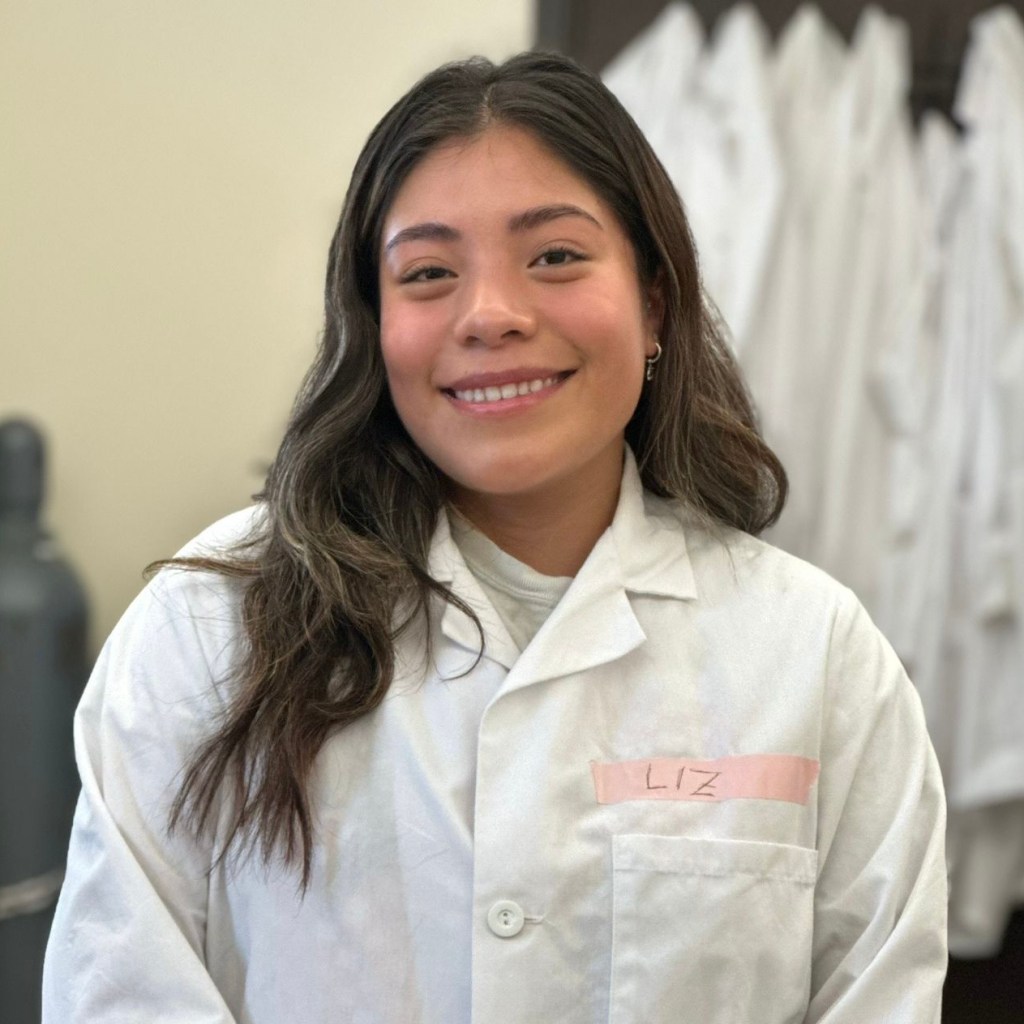
Welcome to a world of limitless possibilities, where the journey is as exhilarating as the destination, and where every moment is an opportunity to make your mark on the canvas of existence. The only limit is the extent of your imagination.

Blessed Ofori

Welcome to a world of limitless possibilities, where the journey is as exhilarating as the destination, and where every moment is an opportunity to make your mark on the canvas of existence. The only limit is the extent of your imagination.

Marc Benavides

Marc, A new addition to Dr. Roy’s lab was added at the beginning of 2024. His knowledge of IT and computer sciences helps keep himself and his lab mates organized. As a matter of fact, Marc is the one currently keeping this website in order.

Andrea S. Bustos

Andrea, a former student of Dr. Upal Roy, completed her Master’s degree in Biochemistry and Molecular Biology in 2023. Her thesis explored dopamine dysregulation in neuronal cells treated with antiretroviral drugs

Armando Garces III

Armando, a former student of Dr. Upal Roy, completed his Master’s degree in Biochemistry and Molecular Biology in 2021. His thesis centered on the characterization of biomarkers for Alzheimer’s disease and HIV-1 associated neurocognitive disorders.